|
Manual SOS and Optional Fall Detection
|
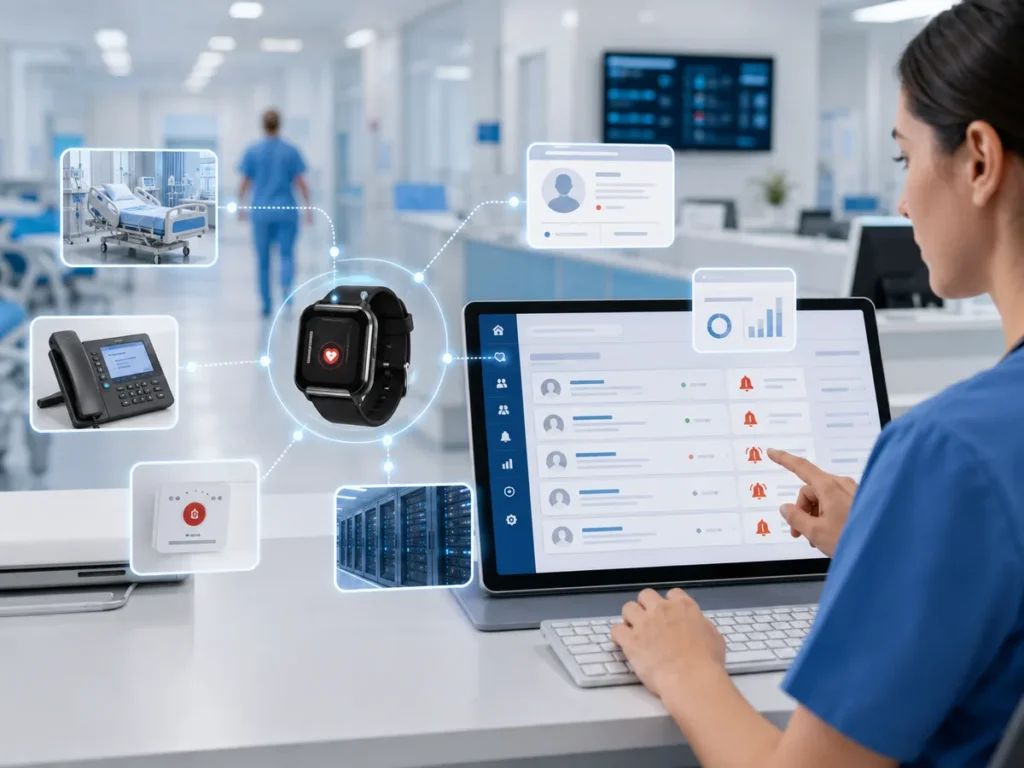
Confirm the available alert triggers, fall-detection logic,
confirmation period, cancellation options and escalation workflow
for the selected device.
|
Different care environments require different alert rules. The
workflow should help staff distinguish confirmed emergencies from
events that need further review.
|
|
Cellular and Network Connectivity
|
Review supported cellular bands, SIM requirements, Wi-Fi options,
roaming conditions and network coverage in the target deployment
area.
|
Reliable alert transmission depends on the selected device
configuration, carrier compatibility and actual network conditions.
|
|
Two-Way Voice and Location Reporting
|
Evaluate call quality, speaker and microphone performance,
available positioning methods and how location data is displayed
in the connected platform.
|
Voice confirmation and available location information can help
staff assess an alert and follow the appropriate response
procedure.
|
|
Battery and Device-Status Reporting
|
Confirm expected battery performance, charging procedures,
low-battery alerts, offline notifications and charging accessories.
|
Centralized status information helps staff identify devices that
require charging, inspection or maintenance before service is
interrupted.
|
|
Water Resistance and Cleaning Procedures
|
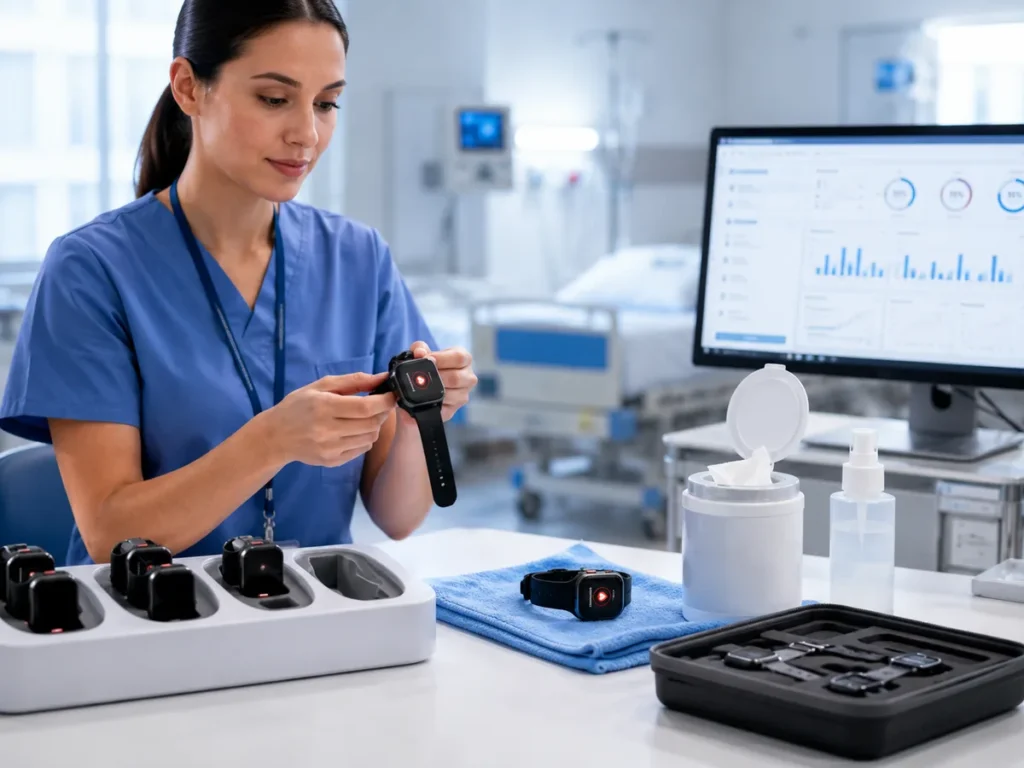
Review the IP rating of the selected model, approved cleaning
methods, strap materials and restrictions related to disinfectants
or repeated cleaning.
|
Water resistance does not automatically confirm compatibility with
every hospital disinfectant. Cleaning procedures should be
validated for the selected materials and use environment.
|
|
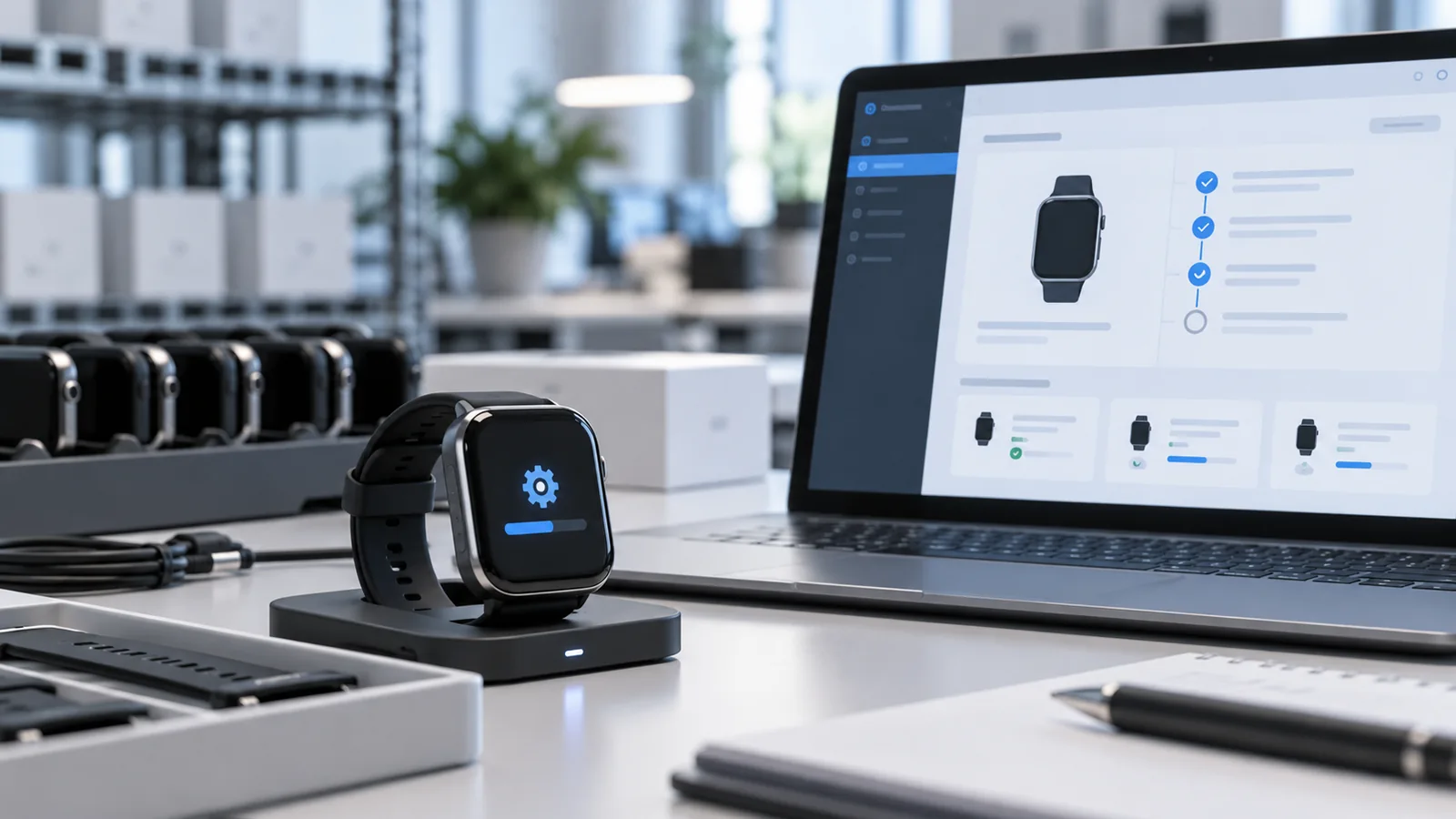
Device Configuration and Firmware Management
|
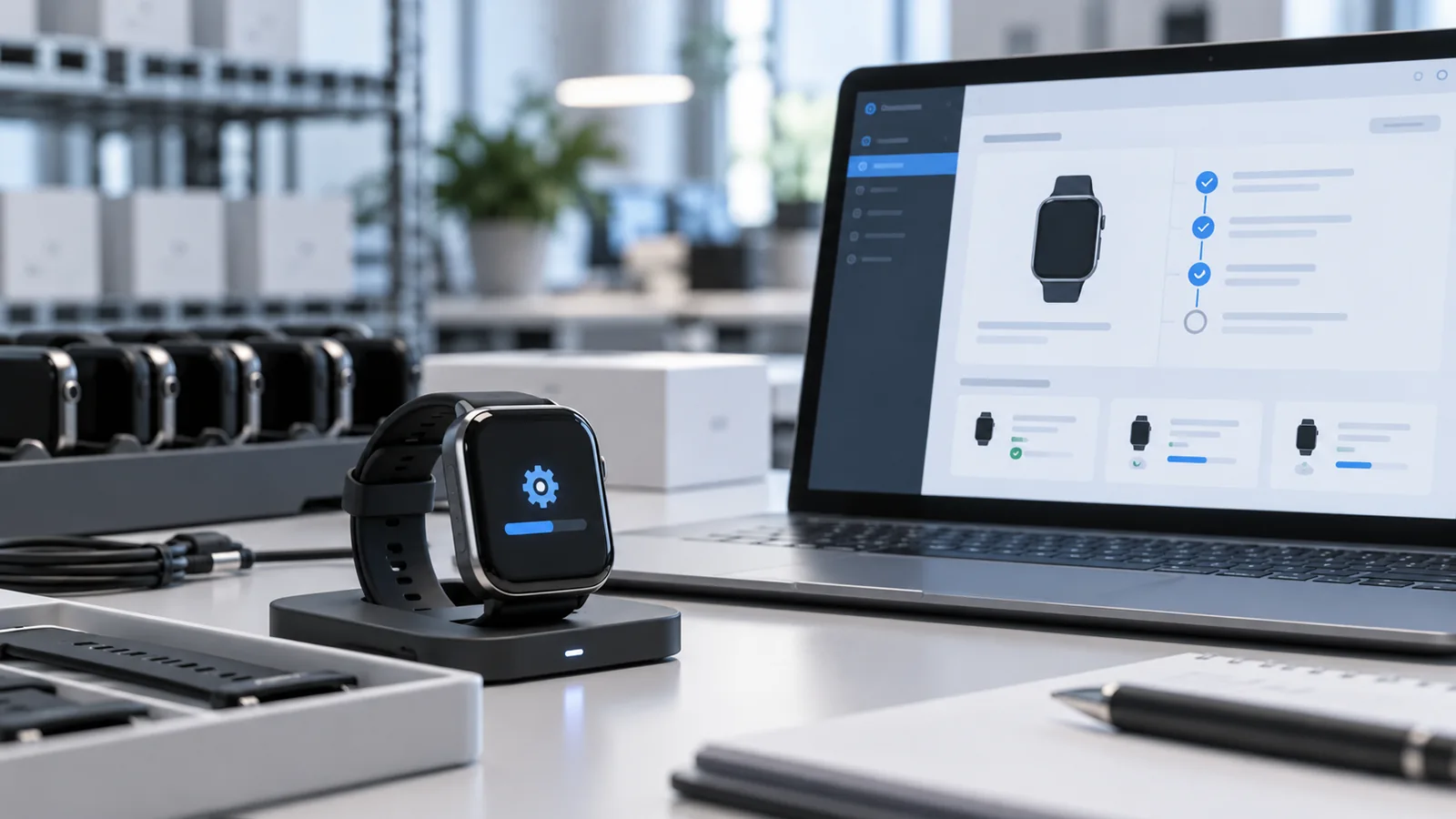
Confirm whether remote configuration, firmware updates, device
provisioning, user assignment and status monitoring are supported.
|
Centralized management becomes increasingly important when devices
are deployed across multiple wards, facilities or patient groups.
|
|
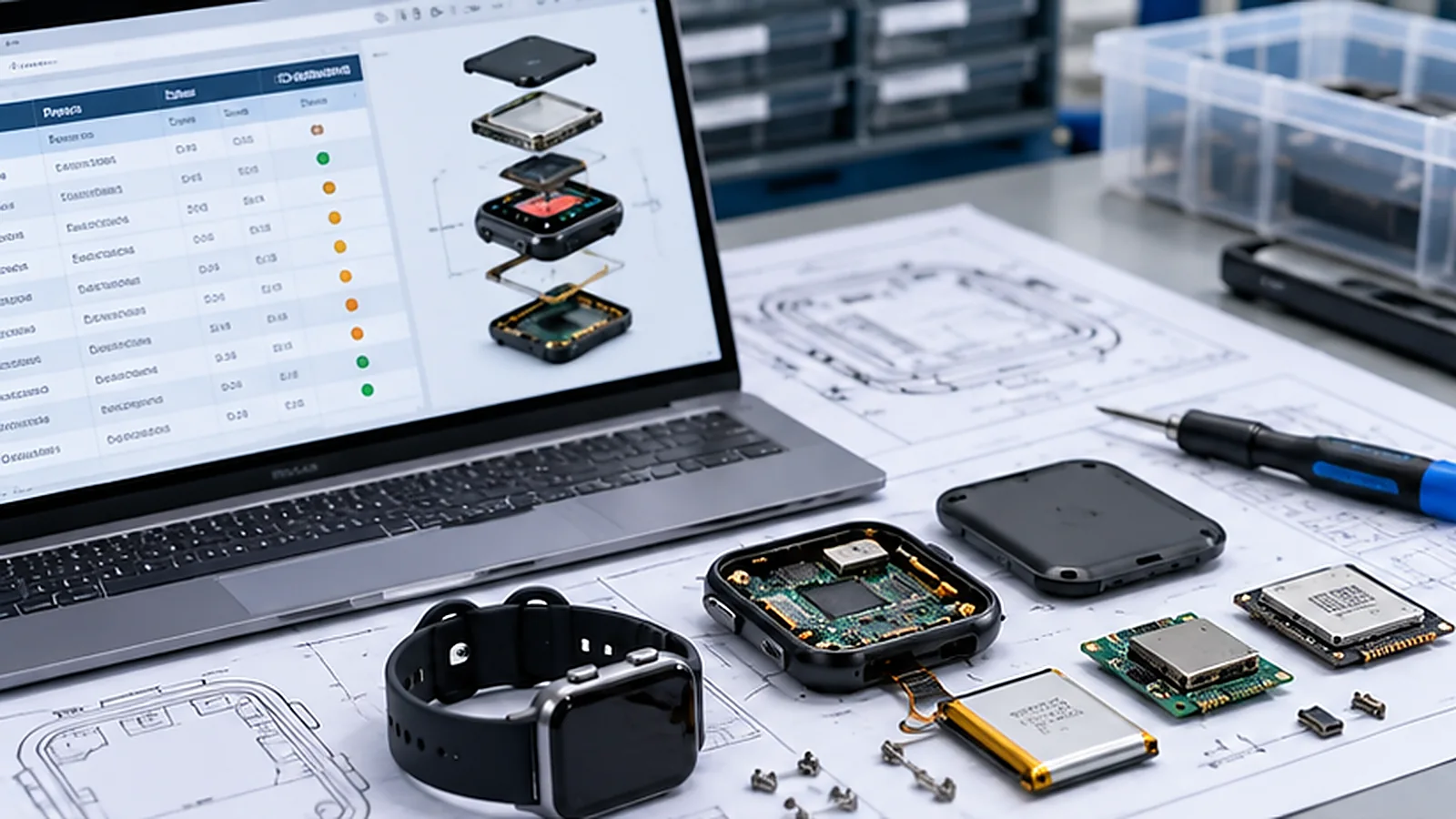
Repair and Replacement Planning
|
Review warranty scope, repair procedures, replacement units, spare
accessories, service locations and expected response arrangements.
|
A defined maintenance process can reduce downtime and support
continuity during larger or longer-term deployments.
|