
Product, hardware, firmware and platform teams work within one project path.
Engineering decisions are reviewed with testing and manufacturing requirements in mind.
Support for cellular connectivity, positioning, sensors and safety workflows.
Firmware, product and integration support can continue after the initial launch.
Product definition, industrial design, mechanical structure, materials, waterproofing, wearability and design-for-manufacturing preparation.
Component selection, schematic and PCB design, PCBA verification, antenna and sensor integration, power management and device firmware.
Motion and safety functions, device UI, mobile applications, SDK/API support, cloud connection and integration with customer systems.
Prototype verification, reliability checks, pilot production, inspection criteria and transfer of the approved design into scalable manufacturing.
| Development Stage | Typical Deliverables |
|---|---|
| Requirement Definition | Product specification, feature list, target-market requirements and technical feasibility review. |
| Product Design | Industrial design concepts, mechanical layout, materials review and component architecture. |
| Engineering Development | Schematics, PCB design, firmware builds, interface definitions and prototype preparation. |
| Prototype Validation | Engineering samples, issue records, test findings and agreed improvement actions. |
| Pilot Production | Approved sample, assembly review, inspection criteria and production-readiness documentation. |
| Platform Integration | Protocol files, API or SDK documentation and technical support for system connection. |
ID and MD customization around the product scenario
Sensor, antenna and communication-module integration
Enclosure, material and waterproofing considerations
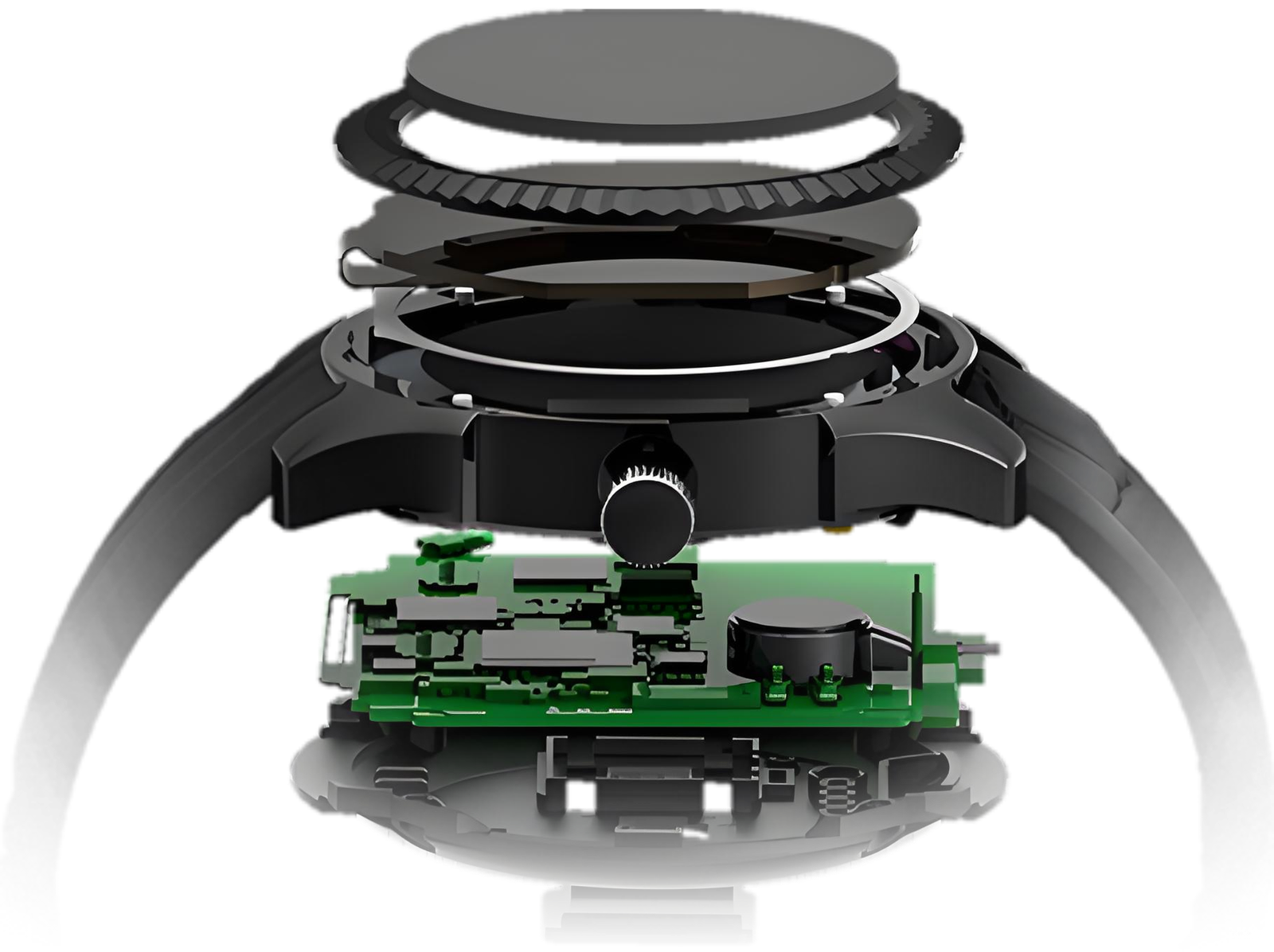
Component selection, schematic, PCB and PCBA development
Power-management and battery-life optimization
Prototype assembly and small-batch trial production
Accelerometer and gyroscope data can be integrated with project-specific event rules for fall, motion and inactivity detection.
Support for heart-rate, ECG-related and other health sensor data acquisition according to the device configuration and intended use.
Sensor data and firmware logic can support sleep, movement and daily activity monitoring for applicable wearable projects.
Thresholds, sampling strategies and event logic can be adjusted around target users, hardware configuration and operating scenarios.
Application support can include device setup, data display, alerts, user management and project-specific service functions.
Firmware development can cover device functions, sensor control, connectivity, power management, interface logic and support for future updates.
Interface protocols and integration support help connect the wearable device with customer apps, monitoring platforms and existing cloud systems.
Clear, task-focused interfaces can be adapted to the target users, product scenario, brand requirements and operating workflow.
WearIntell follows a coordinated development process from requirement review and product design to prototype validation, pilot production and ongoing technical support.
The exact process, deliverables and review stages are adjusted according to the product complexity, customization scope, certification needs and target launch schedule.
Let’s Have A Chat