
People want to be healthier. Solution: Fitness watches track activity. But do they really lead to better health?
Fitness watches can improve health. They track activity and motivate change. But it depends on how you use them.
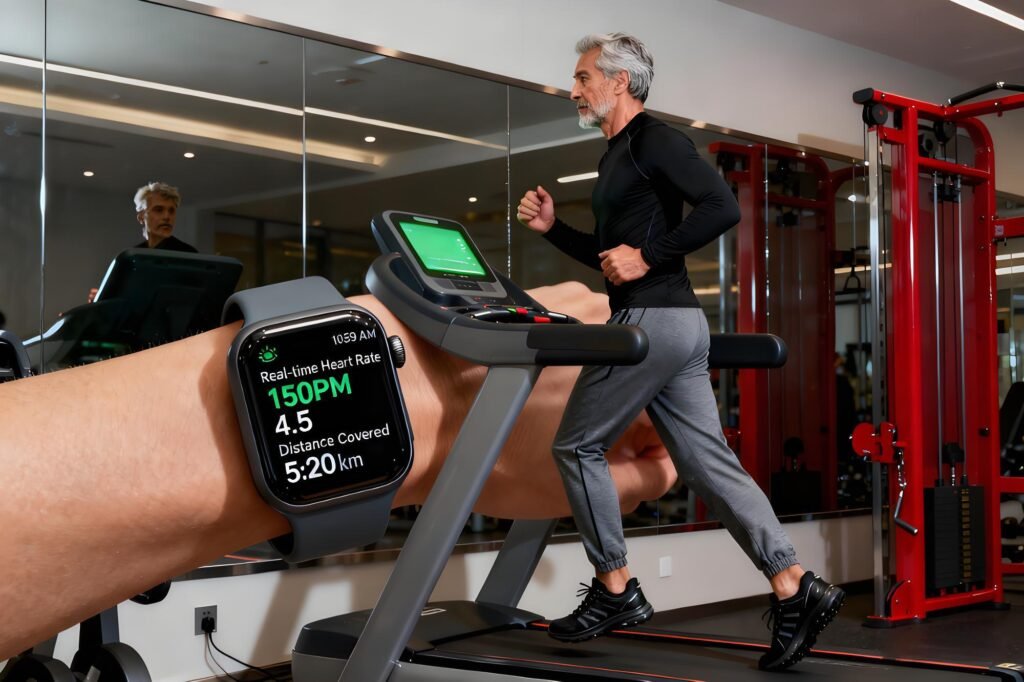
Smartwatches Aid Fitness
What Health Metrics Can Fitness Watches Accurately Track?
Fitness watches track many things. But which measurements are accurate?
Fitness watches accurately track steps, heart rate, and activity time. Sleep tracking is less accurate, but still useful.
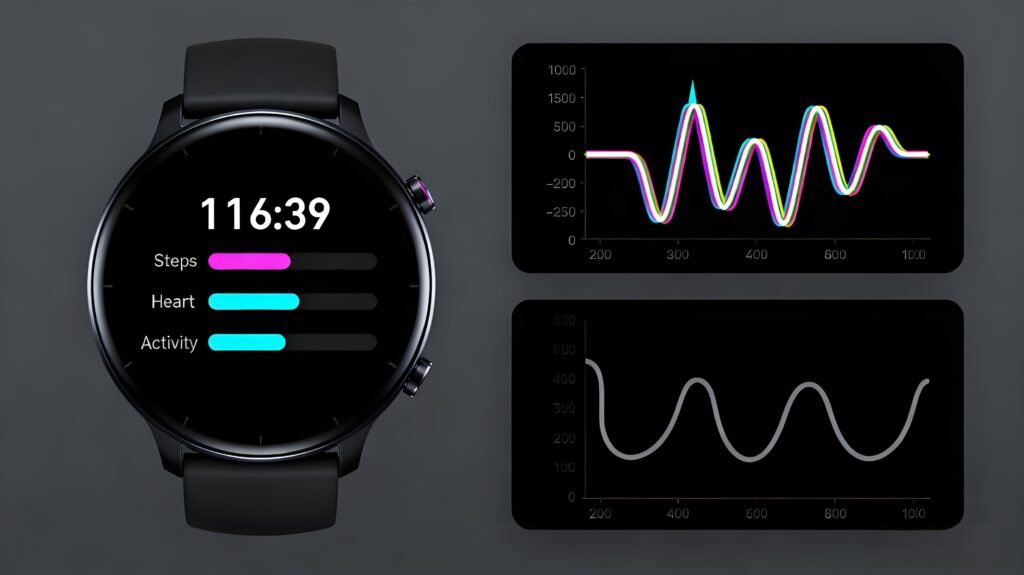
Fitness watches track health data
Here’s a breakdown of common metrics:
| Metric | Accuracy | How it Helps |
|---|---|---|
| Steps | High | Measures overall daily activity. |
| Heart Rate | High (generally) | Tracks exercise intensity, can indicate cardiovascular health. |
| Activity Time | High | Measures duration of exercise sessions. |
| Sleep | Moderate | Tracks sleep duration and stages (light, deep, REM), providing insights into sleep quality. |
How Does Activity Tracking Motivate Healthier Behaviors?
Tracking activity is one thing. But how does it motivate people to be healthier?
Activity tracking motivates by showing progress. It uses goals, rewards, and sometimes social features. This makes exercise more engaging.
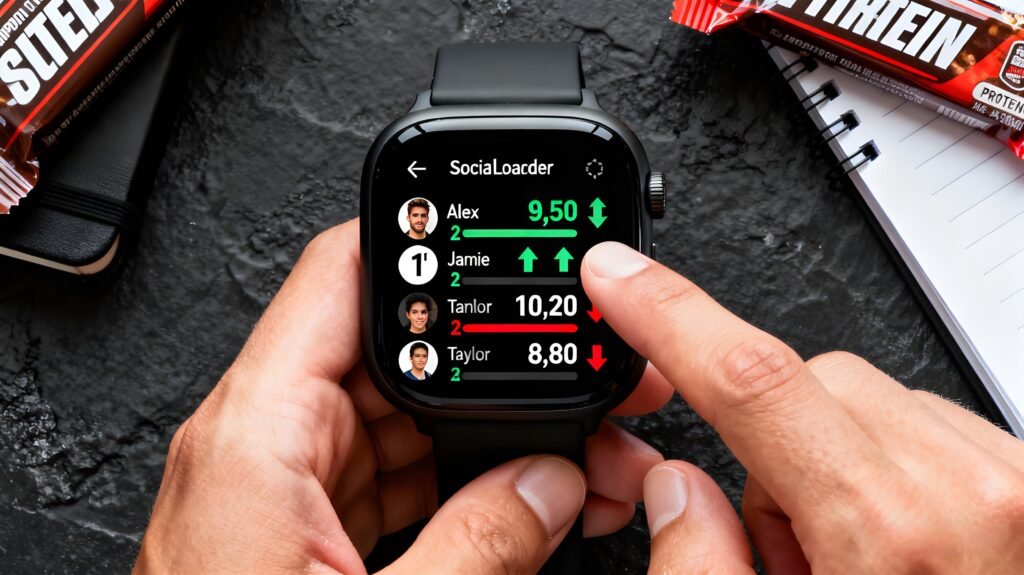
Fitness Watch Motivation
It’s about making exercise more like a game:
| Feature | How it Works | Why it Motivates |
|---|---|---|
| Personalized Goals | Users set targets for steps, activity, calories, etc. | Provides clear objectives and a sense of direction. |
| Progress Tracking | Visual feedback on progress towards goals. | Creates a sense of accomplishment and encourages continued effort. |
| Achievements/Badges | Virtual rewards for reaching milestones. | Adds a fun, game-like element to exercise, making it more engaging. |
| Challenges/Competition | Option to participate in challenges with friends or other users (on some platforms). | Fosters a sense of community, friendly competition, and social support. |
Can Fitness Watches Help with Weight Management and Improved Fitness Levels?
Many people want to lose weight. Can fitness watches help with this and overall fitness?
Yes, fitness watches can help. They track activity and calories. But diet is also important for weight loss. They encourage exercise, which improves fitness.
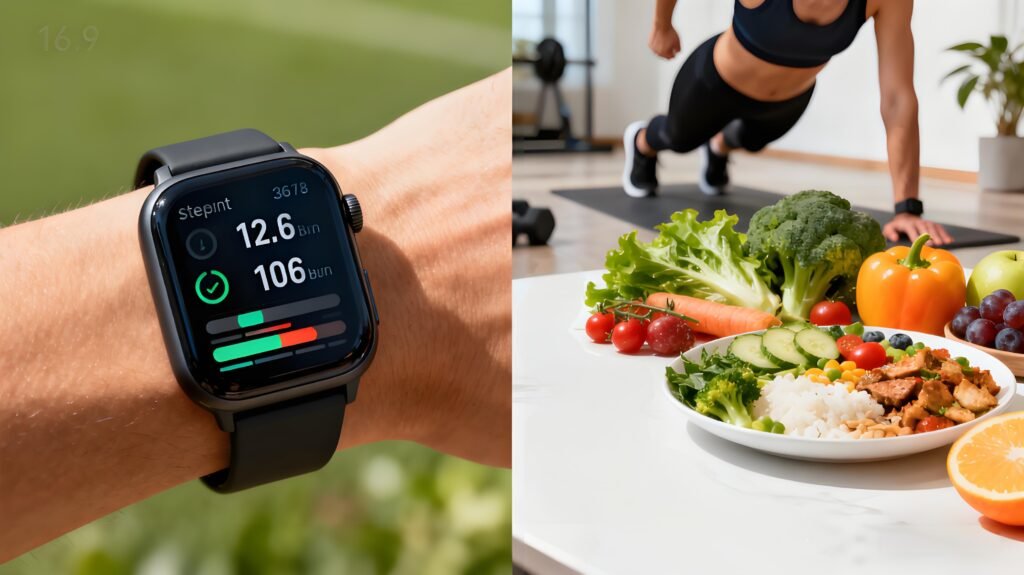
Fitness Watch Weight
Here’s how they can contribute:
| Feature | How it Helps with Weight Management | How it Helps with Fitness |
|---|---|---|
| Activity Tracking | Encourages increased physical activity, leading to calorie burning. | Promotes regular exercise, improving cardiovascular health and endurance. |
| Calorie Tracking | Estimates calories burned, aiding in calorie awareness. | N/A |
| Exercise Guidance | Some watches offer workout suggestions and tracking. | Helps users structure workouts for optimal fitness gains. |
| Fitness Level (VO2 max) | Provides an estimate of cardiorespiratory fitness. | Tracks improvements in fitness over time. |
How Can Fitness Watches Contribute to Better Sleep Quality?
Sleep is important for health. How can fitness watches improve sleep?
Fitness watches track sleep. This shows sleep patterns. Awareness can lead to better sleep habits.
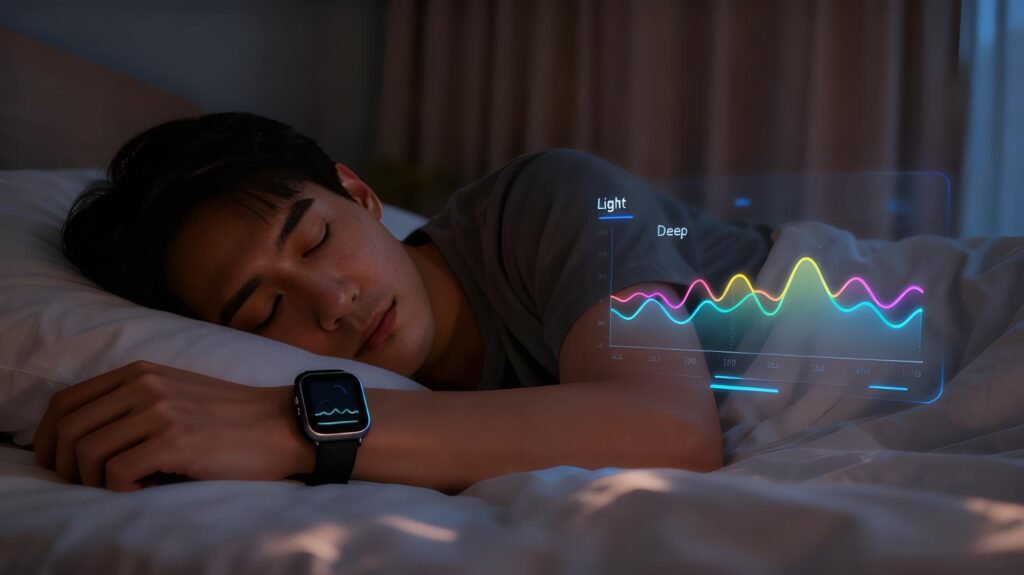
Fitness watch monitors sleep
- Sleep Tracking: Measures sleep duration and quality to help users determine if they are getting sufficient rest.
- Sleep Stages: Displays time spent in light sleep, deep sleep, and REM sleep, providing insights into sleep quality and potential areas for improvement.
- Sleep Consistency: Tracks the regularity of sleep schedules, emphasizing the importance of consistent sleep for overall health and well-being.
- Sleep Score: Some devices provide a sleep score summarizing overall sleep quality as a simple metric for tracking sleep improvement.
Do Fitness Watches Play a Role in Stress Reduction and Mental Well-being?
Stress is a big problem. Can fitness watches help reduce stress and improve mental health?
Some fitness watches track stress. They use heart rate variability. They may offer guided breathing. Exercise itself reduces stress.
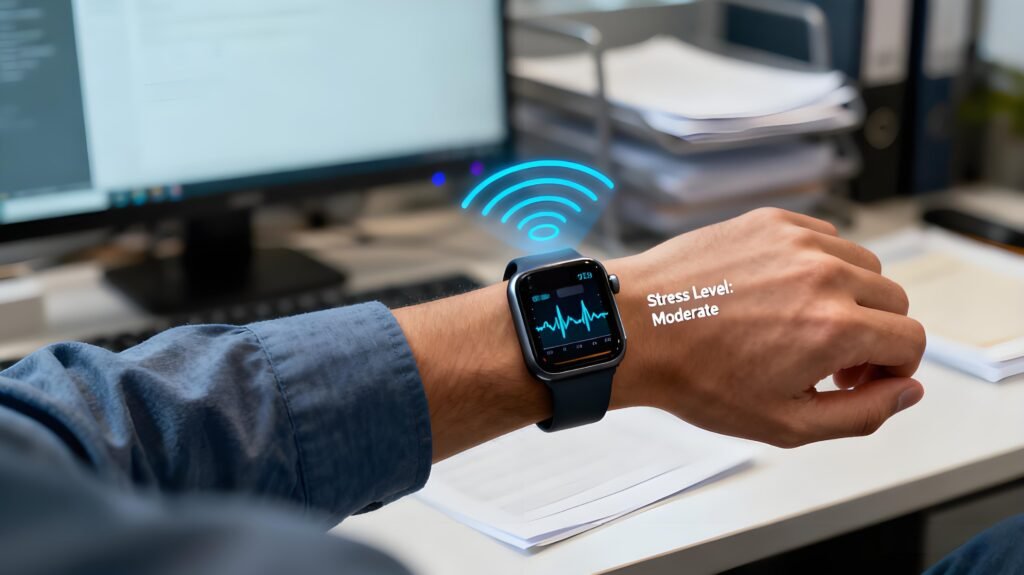
Fitness watches track stress levels
Fitness watches serve multiple purposes in stress relief. They measure stress levels through heart rate variability (HRV), where higher variability is generally better. This allows users to understand their stress status and proactively manage it. Some fitness watches also offer guided breathing exercises to promote relaxation and alleviate immediate stress. Additionally, the watches track activity, and exercise tracked via these devices has been proven to reduce stress by releasing endorphins—substances that improve mood and alleviate tension. Furthermore, fitness watches encourage physical activity, which is itself a well-known stress-relief method.
What are the Limitations of Fitness Watches in Assessing Overall Health?
Fitness watches track many things. But what are their limits in judging overall health?
Fitness watches focus on activity and some biometrics. They don’t measure all aspects of health. They are not medical devices.
| Limitation | Explanation | Implication |
|---|---|---|
| Incomplete Picture | Fitness watches focus on activity and a limited set of biometrics, not all aspects of health. | They don’t provide a comprehensive assessment of overall health. |
| Not Medical Devices | They are not intended to diagnose, treat, or prevent any disease. | They should not be used as a substitute for professional medical advice or care. |
| Varying Accuracy | The accuracy of different metrics (e.g., steps, heart rate, sleep stages) can vary. | Users should be aware of the limitations of each metric and not rely solely on the watch for critical health decisions. |
Can Fitness Watch Data Be Shared with Healthcare Providers for Better Care?
Fitness watches collect data. Can this data be shared with doctors?
Yes, many fitness watches allow data sharing. This can help doctors understand a patient’s lifestyle. It can lead to better advice.
Fitness watch data sharing operates through specific mechanisms and offers distinct healthcare benefits. Regarding data reporting, certain applications generate summaries of activity, sleep, and other metrics that can be shared with healthcare providers. In terms of platform integration, some platforms connect with electronic health records (EHRs) to enable seamless data transfer, creating more comprehensive patient profiles. When interpreting data, physicians analyze it within the context of the patient’s overall health status, providing valuable insights into lifestyle factors that may impact health outcomes. Additionally, some applications generate reports for physician review, while certain platforms integrate with health records. However, when utilizing this data, doctors also consider other factors comprehensively.
How to Choose a Fitness Watch That Aligns with Specific Health Goals?
Many fitness watches exist. How do you choose the right one for your goals?
Choosing a fitness watch depends on your needs. Consider what you want to track, your budget, and the watch’s features.
| Factor | Considerations |
|---|---|
| Primary Goal | Weight loss, improved sleep, general fitness, specific sports training, etc. |
| Key Metrics | Steps, heart rate, sleep, calories burned, distance, specific sports metrics, etc. |
| Budget | Prices range from under $50 to several hundred dollars. |
| Features | GPS, music storage, smartphone notifications, battery life, water resistance, etc. |
What are the Ethical Considerations and Data Privacy Issues Surrounding Fitness Watches?
Fitness watches collect personal data. What ethical and privacy issues exist?
Data privacy is a major concern. Users should know how their data is used. Businesses must be transparent and protect user data.

Data Privacy Concerns with Fitness Watches
| Issue | Concern | For Businesses (B2B) | For End-Users |
|---|---|---|---|
| Data Security | Protecting user data from unauthorized access and breaches. | Implement robust security measures. | Choose reputable brands with strong security practices. |
| Data Use | How the data is collected, stored, and used (including sharing with third parties). | Be transparent about data use policies. | Read privacy policies carefully before using a fitness watch. |
| Transparency | Clearly communicating data practices to users. | Provide clear and concise privacy policies. | Understand how your data is being used. |
| User Control | Providing users with options to control their data (e.g., access, deletion, sharing preferences). | Offer user-friendly data management tools. | Exercise your rights to control your data. |
| Anonymization | How to properly anonymize the data | Make sure personal data such as names and addresses are not collected | Understand anonymization and data collection policies. |
Conclusion
Fitness watches can improve health. They increase awareness and motivate activity. But they are tools. Their effectiveness depends on how they are used.